
MDST3154: Star Wars
Professor Sean Duncan (sean.duncan@virginia.edu)
Meets 2:00PM – 3:15PM Tuesdays/Thursdays
Spring, 2027
In this course on the Star Wars franchise, we seek to use Star Wars to explore media franchises as cultural, social, and economic phenomena that cut across multiple media (films, television/streaming series, novels, games, comic books, theme parks, toys, etc). Focusing on this nearly fifty-year old media franchise, this course uses a dedicated example to explore the multiple textual, ethnographic, cultural, and industrial/creative labor approaches to understanding the dynamics of media franchises. Atop that, we will devote a full half of the semester to discussing how this franchise helps us to engage with pressing and ongoing real-world discussions about fascism and resistance.
Please note: This is a media studies seminar, and this course is designed for upper-level media studies students who are interested in engaging with critical media industry studies. There will be no exams in this course — all assessment will be in the form of written papers, video essays, and in-class presentations. Students will work toward a long-form written paper (or potentially a video essay) that allows them to explore media franchising scholarship and a topic of their own interest. Active, engaged participation with class screenings, scholarly readings, and class discussions throughout the term will be a requirement for success in the course.
As it nears its 50th anniversary, Star Wars is still an enormously impactful and perhaps surprisingly controversial media franchise. Upon its original release in 1977, Star Wars became a global cultural phenomenon, changing the industrial logics of Hollywood blockbusters while creating an “expanded universe” of ancillary “paratexts” around the franchise. We will take on an expansive look at how media franchises evolve over time, focusing on several Star Wars films, some of the streaming series (sampled selectively), and all of the entirety of the Emmy-winning Andor. Students will be encouraged to maintain an active Disney+ account throughout the term to facilitate further exploration of the franchise as well as watch Andor, Disney’s most acclaimed recent Star Wars series.
Other than this, there will be no required texts for students to purchase. Our primary texts will be readings drawn from several academic texts, including:


… all of which will be available in electronic form via the UVA University libraries or through the course Canvas site.
Additionally, beyond each of the main nine “Skywalker Saga” films, Rogue One: A Star Wars Story, and all of Andor, we will be watching multiple additional films which may or may not appear to have obvious connections to parts of broader Star Wars history and the evolving franchise. These films include:

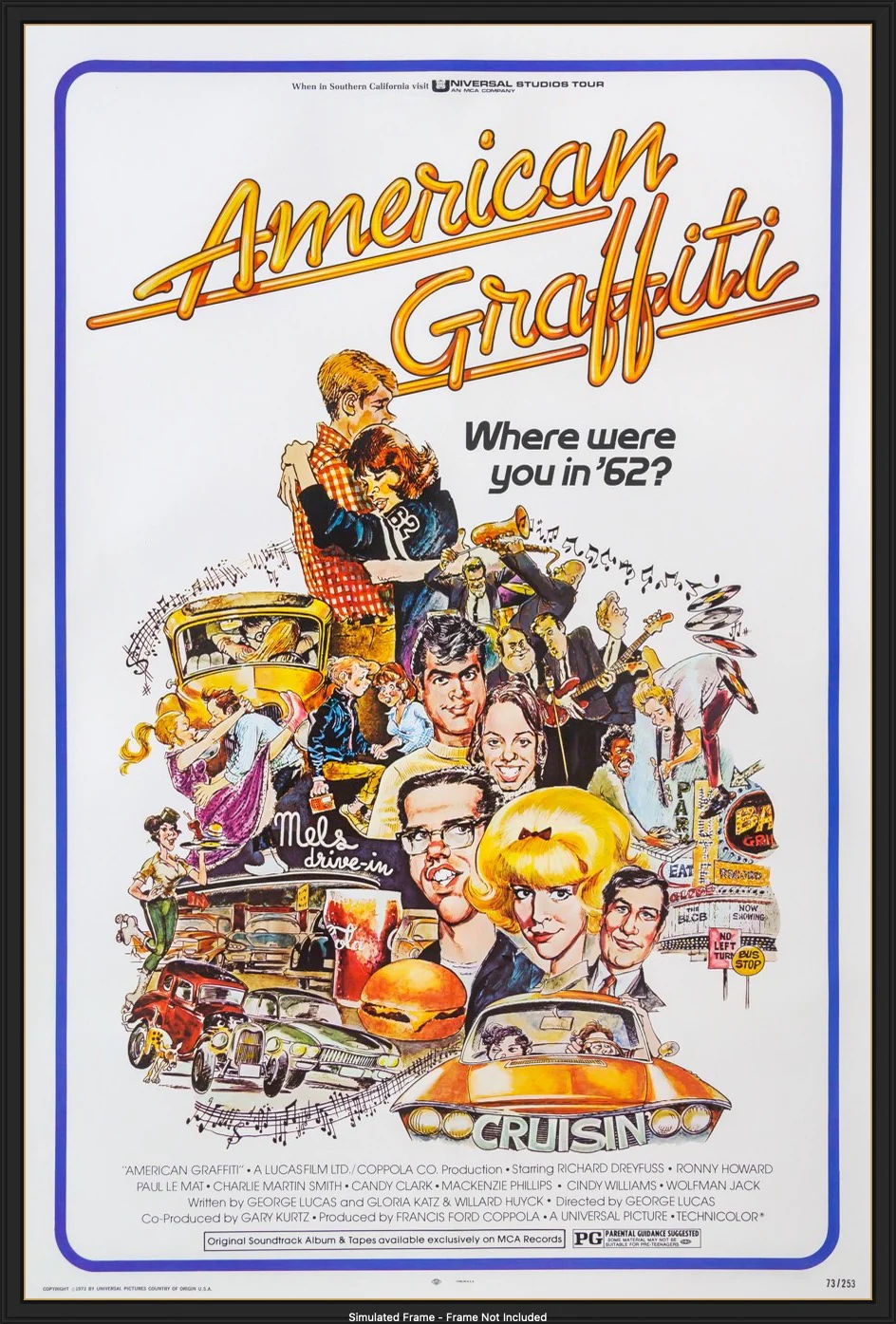

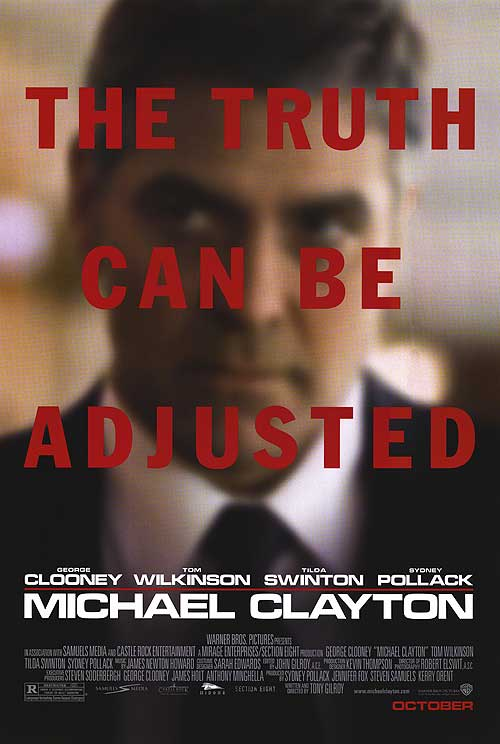
… and perhaps more. We will augment course readings and screenings with selected scholarly papers, popular press writing about Star Wars, and even engagement in ongoing online debates around the franchise. Any additional assigned PDFs will be linked up in the course syllabus and/or posted to the course Canvas page.
Our focus this term will be on fascism and resistance as seen through the series Andor, and thus will devote a full half of the term to watching the series, critiquing it, and connecting it to both other media (The Battle of Algiers, Michael Clayton) and to ongoing discussions of the rise of totalitarian political rhetoric. Andor will serve both as an extended example of the ways the franchise has changed with the times, as well as a lens with which we will interrogate how popular media franchises can speak to the issues of the day. Students will be encouraged to bring in examples from real-world events to connect and contrast with the events of the series, and we will do extensive additional work understanding the ideation and production of this series.
We should note that Star Wars can speak not just to global geopolitics, but its fandom can reflect how we, as audiences, have made the consumption of this franchise a challenging space for many. Star Wars has not historically been a friendly topic of discussion for all people, and we will discuss multiple scholarly works that attempt to understand how and why Star Wars has become a franchise that has featured so much fan debate and fan/filmmaker/actor harassment. We will not shy away from challenging contentious and sometimes overtly racist and homophobic fan cultures around Star Wars, as well as connecting these media-related “culture wars” to other, recent moments of fan contention. We will engage in discussions around the evolution of this franchise from its earliest conceptions through the present day, meaning we will, to some extent, dive into critical discussions of Disney, the owner of the Star Wars intellectual property since 2012.
Finally, I hope it’s obvious that this is fundamentally a critical media studies course and I’m perhaps overemphasizing that as some students have needed me to do that! While some courses have attempted to tackle the bigger “meaning” of the Star Wars story from religious and political directions, our goals are very different. We will look at Star Wars as an opportunity to investigate a large social and economic media phenomenon, and develop understandings of how franchises change over time.
The course is designed for students who have no experience with Star Wars and related media but all students need to be prepared to engage seriously with media studies scholarship. Again, our goal is to understand Star Wars as a franchise, and what that tells us about how media, politics, and culture interrelate, so any student ready to do that is welcome, regardless of if they know the difference between an Ewok and a Zillo Beast. Students very familiar with or invested in the franchise will be expected to move past their fandom and to deepen their preexisting understandings of it through critical engagement with media franchising scholarship.
If you have any questions, please don’t hesitate to email Dr. Duncan at sean [dot] duncan [at] virginia.edu.